Author: Rashmi Sen

Improving Communication Skills of a Child with Autism
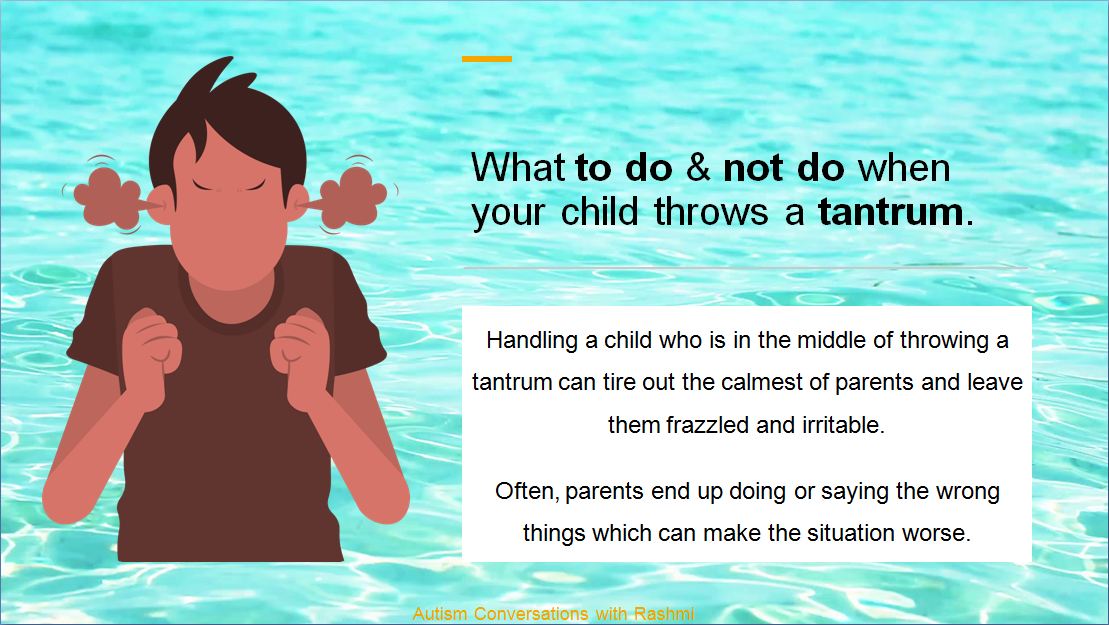
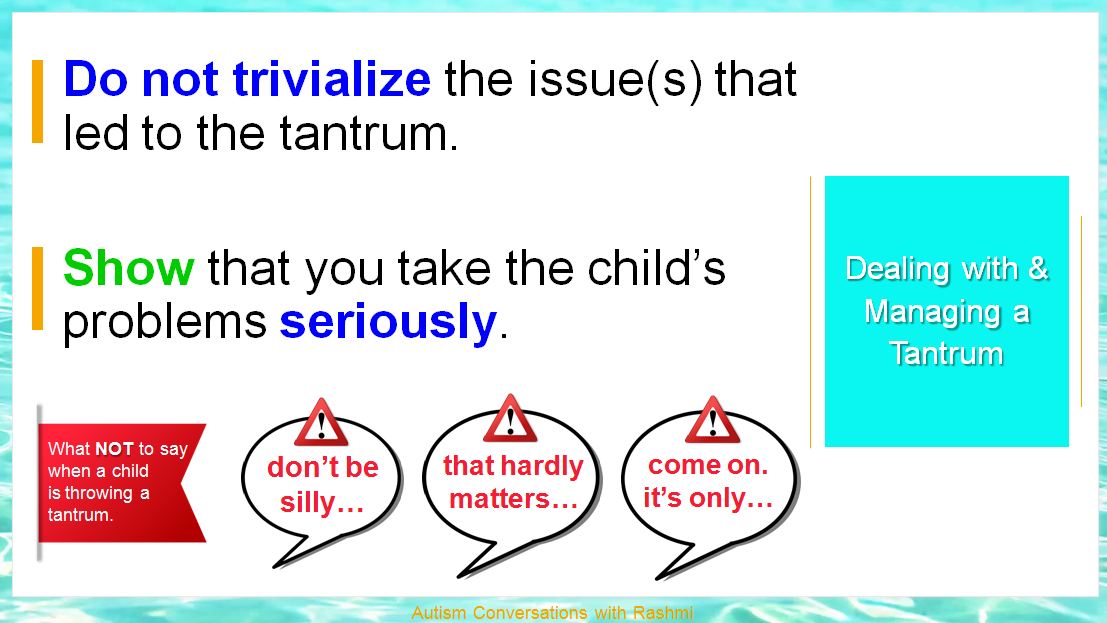
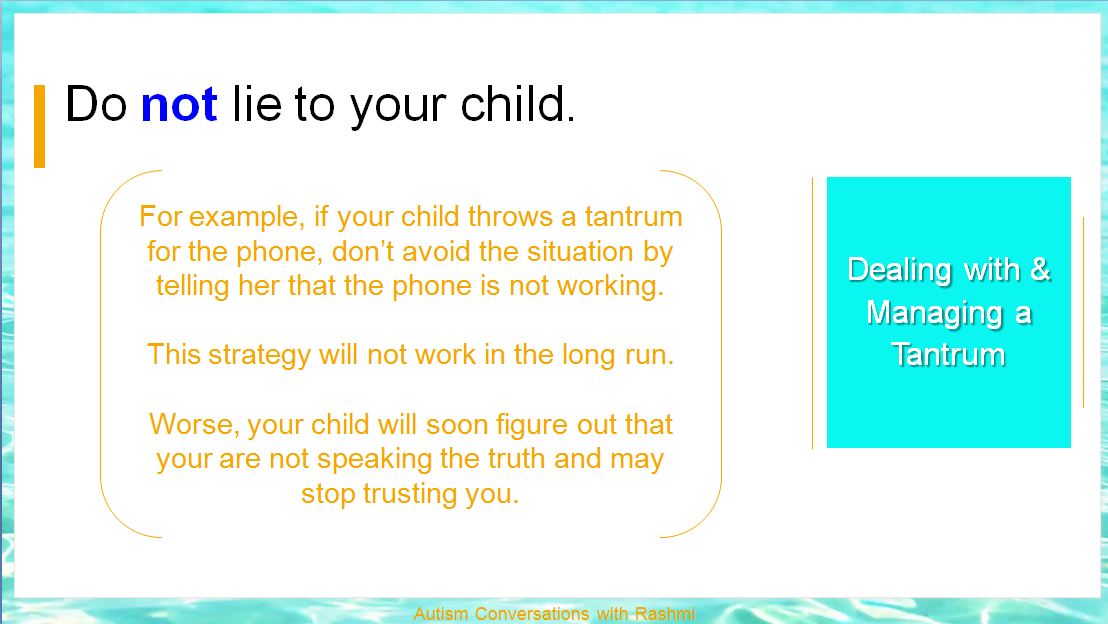
Dealing with and Managing a Tantrum





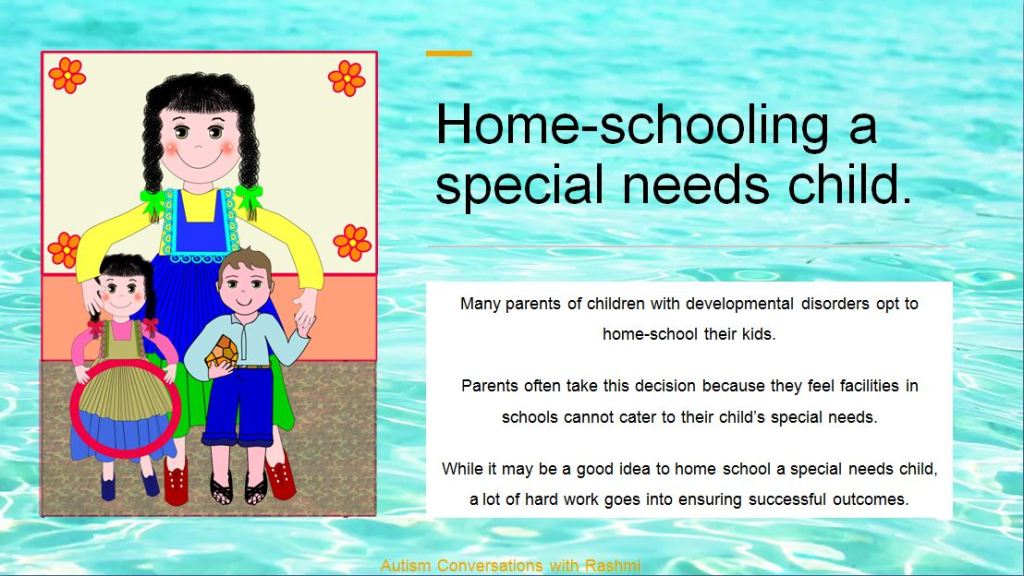
Successful Home Schooling for your Child


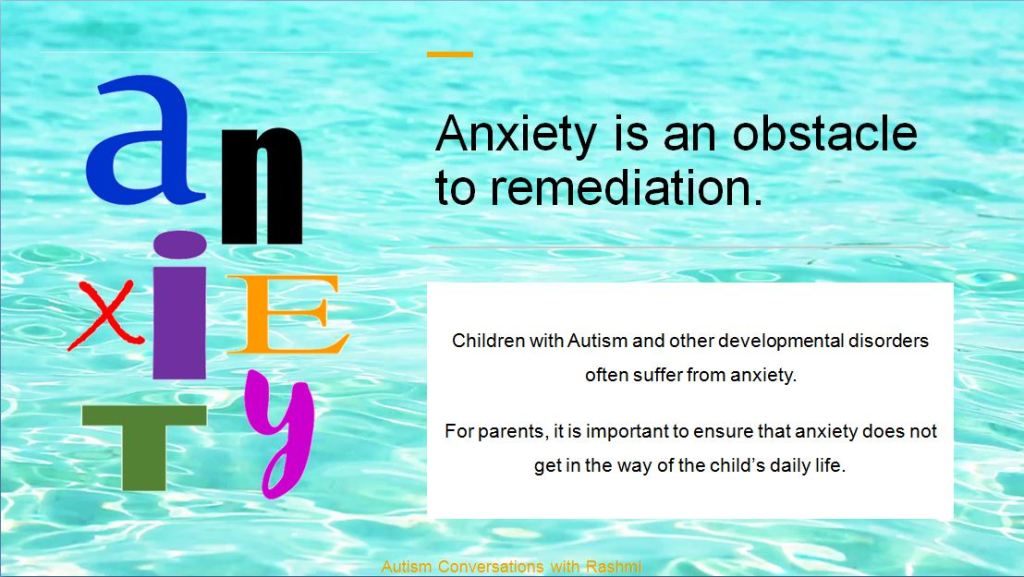
Helping your Child Deal with Anxiety



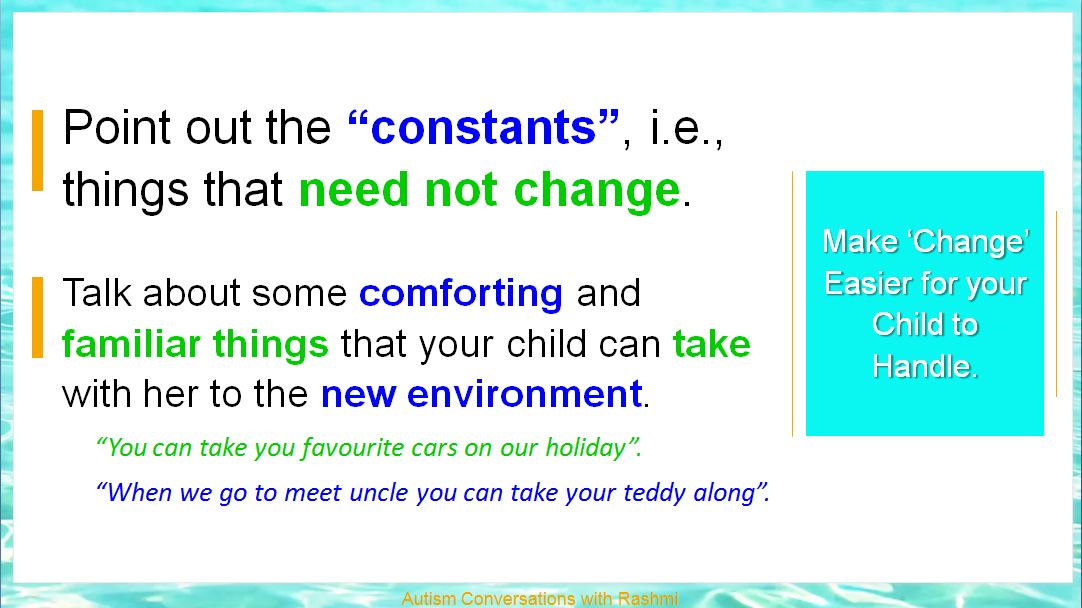
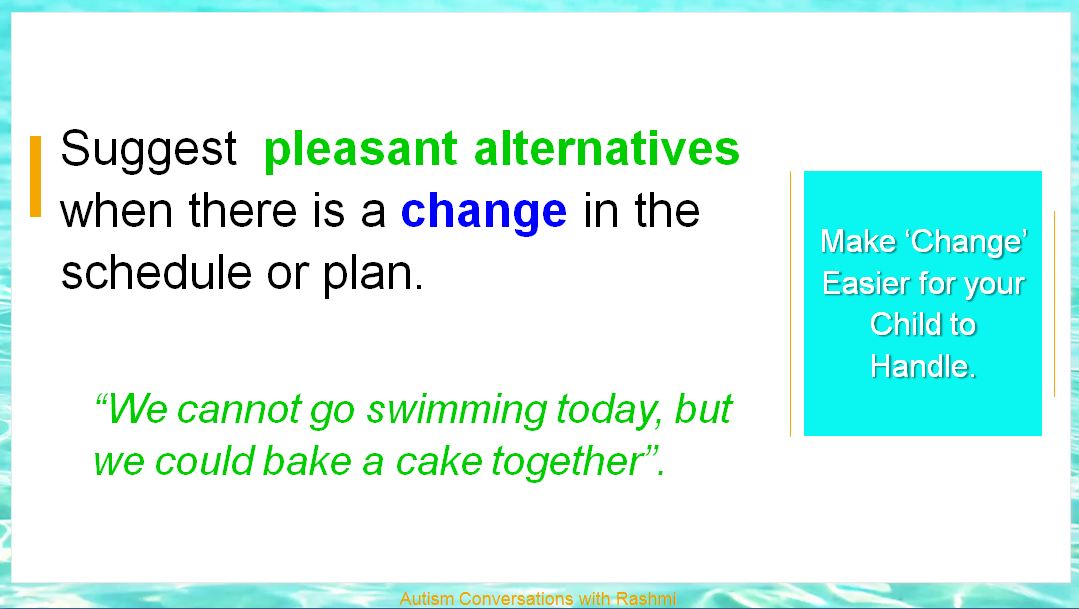
Make ‘Changes’ Easier for your Child to Handle

Vikram’s Story
Mr and Mrs Mehra (names changed) live in a tier-2 town in India. They have two sons, Vikram and Soham (names changed). When Soham was a year old, and Vikram three, the parents noticed some differences between the siblings. Vikram could talk but he seemed more interested in talking only when he wanted something. He loved puzzles, books and listening to music, but did not have many other interests. He also didn’t like change and threw major tantrums when things didn’t go according to his wishes. But he was also a quick learner.
When he turned four, Vikram’s parents consulted a child psychiatrist, who diagnosed him as mildly Autistic. Vikram was recommended speech therapy, special education, occupational therapy etc., and soon, his parents saw certain improvements.
Over time, Mr and Mrs Mehra observed that although Vikram was doing well in academics and could also manage some basic tasks independently, he remained quite inflexible, threw major temper tantrums from time to time, and didn’t seem interested in interacting with people around him. He was close to his mother, but he didn’t engage with his father, brother and other relatives. He also didn’t interact with the other children at school.
Vikram’s parents approached me when he was six. After observing him and his interaction with his parents, I developed an RDI program for Vikram, which Mr and Mrs Mehra adopted into their daily lives and activities at home.
One of the first things I observed about Vikram was that he did not seem to enjoy whatever he was doing, rarely smiled and interacted with people only on need basis. I decided to start working on those areas first.
I advised the Mehras to take their focus away from skill and academic development and consciously try and have more fun in their interactions with Vikram. We designed specific activities in which they would engage with their child – with a healthy dose of “fun”. The goal was to have more fulfilling and fruitful interactions.
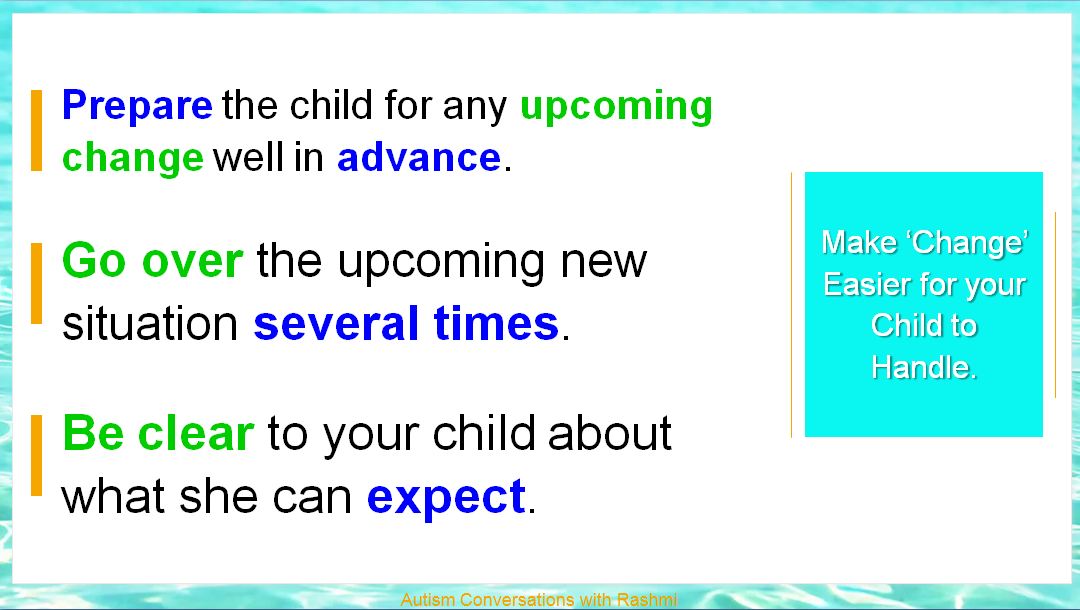
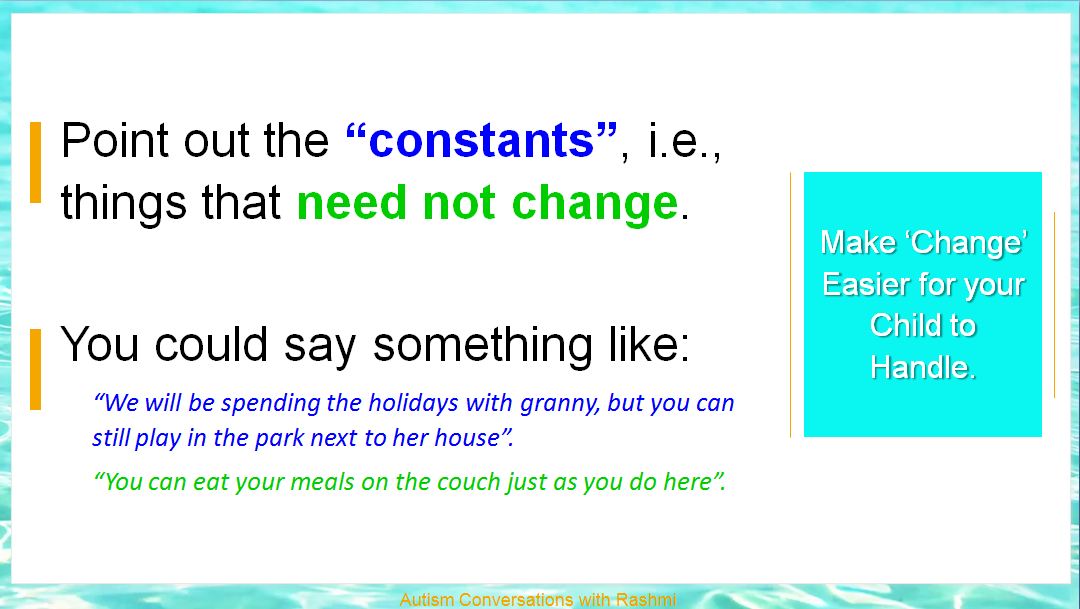
The second thing we worked upon was Vikram’s flexibility. I advised Vikram’s parents to address this by exposing him to very small, incremental amounts of changes at a time. We also worked on the concept of give-and-take and willingness to make adjustments. All this was done in a very mindful way, and Mr and Mrs Mehra were given specific strategies to work upon.
Vikram is now eight and has made excellent progress over the last two years. His relationship with his brother and parents has improved significantly. He actively interacts with his classmates and has some close friends among them. He is more adaptable to changes in his schedule and accepts new things in his life more easily. He is more open to suggestions of others. His emotional growth over the last two years has been tremendous.
Vikram’s parents say, “we are happy with the way things have shaped up with Vikram. We enjoy spending time with him. He seems to be a happy child.” Vikram and his parents continue to be on the RDI program. They understand that there are more changes and improvements that need to be achieved. But looking at the development curve of the last two years they know that with continued efforts these targets will be achieved too.
Dev’s Story
Dev (name changed) is a boy of eight. His parents came to me when he was five years old, and had already been diagnosed being on the Autism Spectrum. He did not talk at all. His receptive language was also poor i.e., he did not understand many things that were said to him. He didn’t look at people and had to be helped in most of his daily living activities.
His parents spent hours teaching him the alphabet, numbers, basic shapes and colours etc. He struggled to grasp these concepts. He would do what he was told or guided to do. He did not seem to want to do anything of his own accord or initiative. He did not seem to be interested in anything and was quite passive.
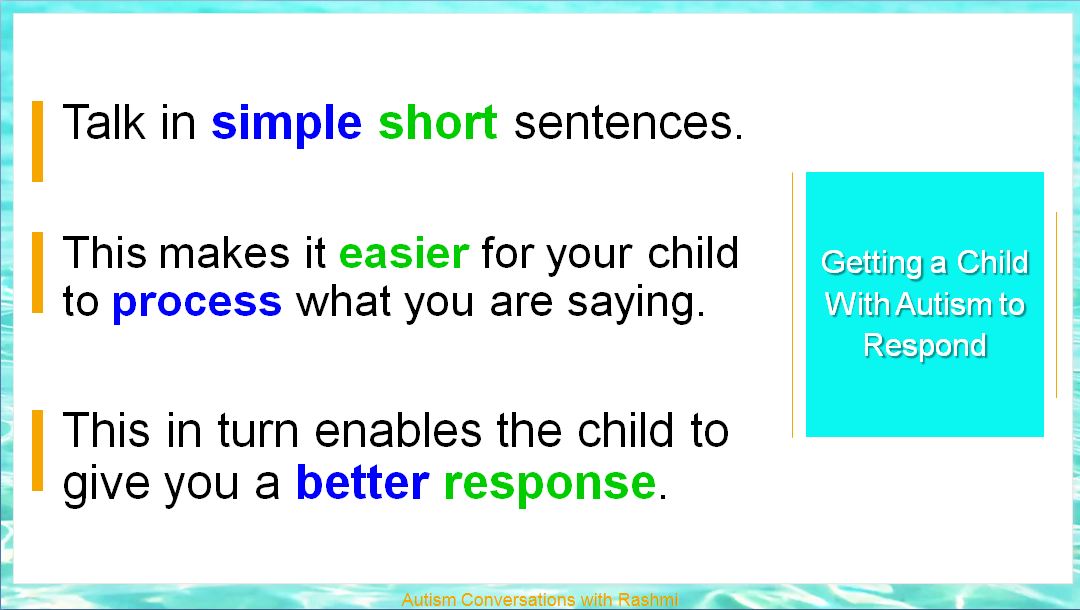
After I assessed Dev’s emotional development stage, I decided to target his communication and also to get him to take more interest in things around him. I advised his parents to speak with him in not more than one or two words at a time and scaffold the talking with simple gestures. We also built activities which would induce him to look and observe more. In due course of time we also worked on his cognitive abilities and executive functioning.
Dev has made steady progress over the last three years. He can comprehend a lot of things around him now. His parents communicate with him using regular structured sentences. He can also respond using two to three-word sentences. He has developed a strong bond with his parents and likes spending time with them. He takes a lot of interest in things around him and observes his environment and people around him carefully. His parents are happy with his progress, and say, “three years ago we were not sure if our son would be able to learn anything or manage to do things independently. But now we see him talking, making steady progress in academics and managing his daily routine by himself.”
Helping Autistic Teens Navigate Love and Romance
Persons on the autism spectrum are black and white thinkers. They prefer everything to go along expected lines and in a fixed manner. They have difficulty with “grey area thinking”. The concept of “make do with/may be/could possibly be/ lets manage with what we have/things can change with changing circumstances” is difficult for them to comprehend.
The challenge becomes more difficult for teenagers or young adults who are experiencing emotions like romantic love, infatuation, or developing crushes. Emotions like love, like, infatuation cannot be defined strictly. The type or intensity of emotion can differ from person to person, based on circumstances, etc. A high level of grey area thinking is needed to understand and sort out these feelings. Even more difficult is understanding reciprocal emotion. What is the other party feeling about me? Does he/she also feel the same? How do I understand?
What can one do to help people with ASD deal with this aspect of their lives?
My first advice to all parents with children on the spectrum is to expose them to grey area thinking as much as possible and in all kinds of situations. Secondly, they must work on development of perspective thinking, e.g., other people may not like the same things that I like. If I like somebody it is not necessary that the person will like me back, and so on.
But if your child is already a teenager or an adult and has not developed a high degree of grey area thinking, how can we help them navigate through such social situations? How do we help them in situations related to romance, love etc.?
I would say, it is never too late to develop grey area thinking in anybody. At the same time, I would recommend parents provide their children with some rules to deal with various situations (as black and white thinkers always do better with rules).
Your rules could read something like this:
DO remember that liking/loving someone is a choice
DO remember that the person you like/love might not like you back. You cannot assume that just because you like them, they will reciprocate your feelings.
DO move on if THEY are not interested
DO be polite and respectful
DO ask permission for any physical contact
DON’T get too personal at first
Don’t ask too many personal questions at first
DON’T discuss your relationship with all and sundry
DON’T pressure anyone to like/love you
Let these be starting point for you may have to modify/personalize it according to your child’s needs and maturity.
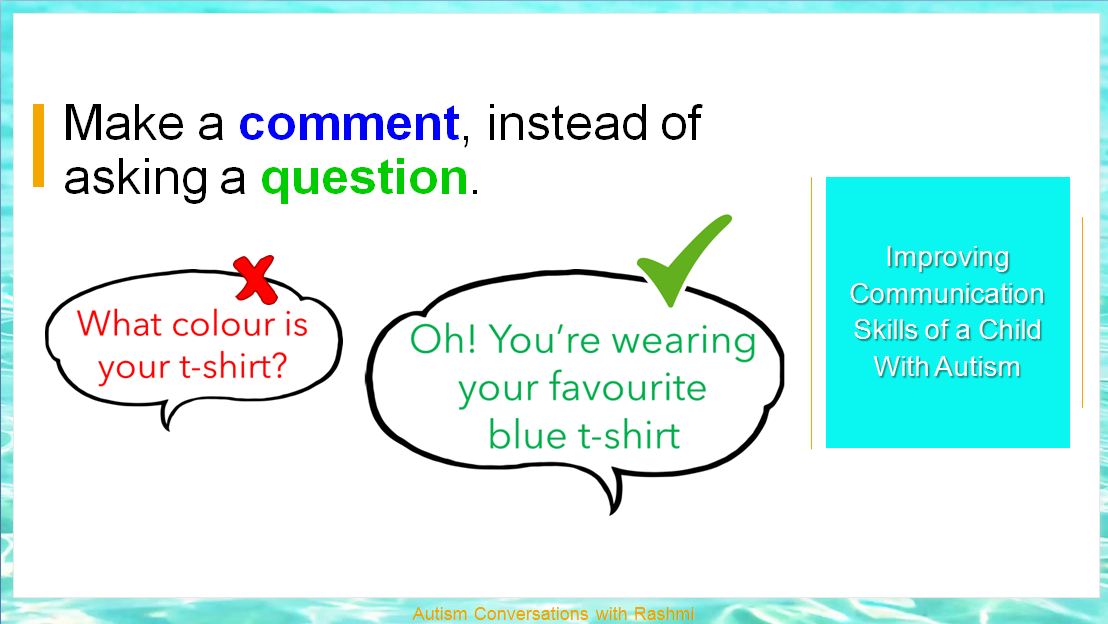
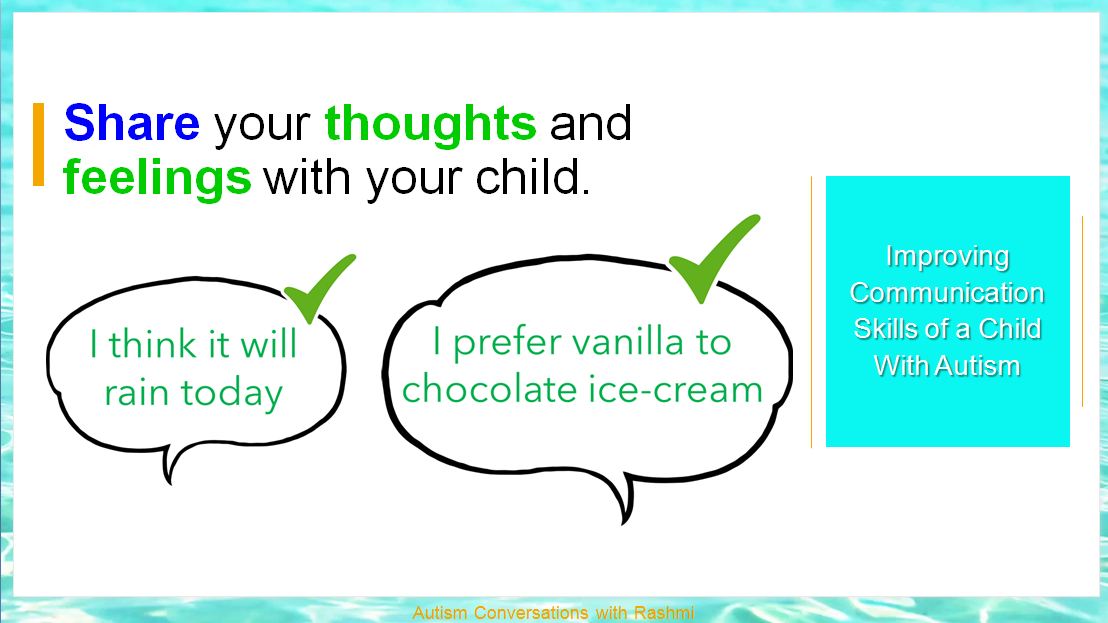
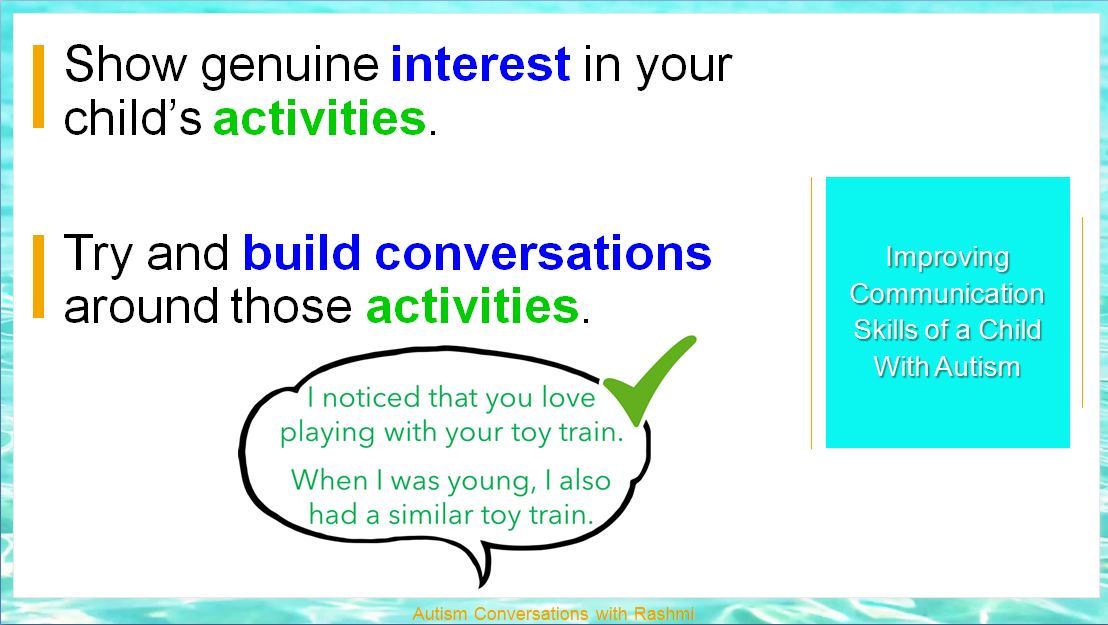
In order to implement the above rules, you will need to have a great deal of open discussions with your child. Encourage your child to speak out and express his/her feelings. Try not to make these discussions a question-answer session. Start the discussion with a few observations of your own, e.g., “I notice that you keep checking X’s Facebook profile very often”. “I think you like X a lot”. Draw out responses instead of asking questions. Encourage him/her to define how they feel about the person in question, why they like the person. In some cases, it helps if you give them a choice. For example, “so what do you like about X? Is it her smile or her eyes? Her manner of speaking or how she dresses?” This will go a long way in helping your child understand how they are feeling and help them conduct their social life in an appropriate manner.
Engaging children during “Covid” Times
Due to the COVID-19 pandemic, most of us are maintaining “social distancing”. This has resulted in a severely restricted life for all of us, particularly our children. Going out for a movie or a meal, taking walks, playing with friends in the park – they are not safe options in these times. While these are the obvious “negatives”, we need to also focus on the positives in this period – for one, it gives us more time to interact with our children and spend quality time with them.
Children are feeling isolated as they are denied the opportunity to spend time with friends or other people who they interacted with on a regular basis before we all went into “lockdown”. This may actually be leading to rusting of social skills and weakening of emotional bonding. While a lot of them are perhaps using digital media to stay connected with the world outside, that does not and cannot in any way replicate or replace the need for in-person, face to face interactions.
As parents, we need to recognise this, and compensate for it. In fact, I would say we, as parents, must mandatorily ensure that we invest a lot more time engaging with our children in various ways.
The other aspect of these times that we need to be mindful of is the excessive exposure to, and contact with, digital media. It is of course inevitable that a lot of “real-life activities” have moved to the digital world. Our children are attending school and various other activities through online channels. Many of them are also using devices for playing games, surfing the net etc. Many times, I have observed that mobile phones and tabs are used as new-age pacifiers – parents hand them to children simply as a way of keeping them engaged or entertained (in reality, it keeps them distracted and diverted).
Hence, taking a break from the high levels of digital interaction is of paramount importance.
This brings me to the question which most parents ask, “What can I do with my child? I have run out of ideas”. Before answering this question, I would advise you to first take a step back and, “start with a schedule”. Build a daily schedule – for yourself as well as your child. It goes a long way in helping stay organised and it brings a sense of rhythm to our lives. A schedule also helps our children understand what to expect and eliminates surprises and shocks that can lead to tantrums, meltdowns and resistance.
Now coming to what you can do. What you choose to do would depend largely on the child’s current skill set, areas of interest and any specific area where you think she could expand her skills and abilities. While it is a very good idea to play games and puzzles etc., you can also productively engage with your child through everyday activities such as hanging out clothes to dry, making tea, setting the dinner table etc. Such activities in fact go a long way in keeping the child connected with her environment and making her feel a part of the household.
Remember not to give them things to do that are too easy. Choose activities in which the child can contribute productively. It is important that the child feels that she is making a meaningful contribution and not doing things mechanically, just for the sake of doing them.
Another important point to keep in mind is – don’t just focus on the end product or goal of the activity. A lot of learning (in fact most of it) happens along the way too. Here are some things that are learnt along the way of most activities that you can do at home with your child: Planning, Anticipation, Memory, Alertness, Collaboration, Coordination, Co-regulation.
Let me explain that with an example. Let’s say you choose to fill bottles of water from the water filter to put away in the fridge, or a shelf etc.
First, you and your child would gather the empty bottles from all the rooms, the fridge etc. The next part is actually a set of sequential steps to be executed. Open bottle cap, open tap, wait for the water to fill, be alert so that the water does not overflow and spill, shut tap, close bottle. Repeat steps. Then you and your child would have to remember to put the bottles back in the intended location.
Remember – don’t just focus on the “how” of the activity, but also on the “why”. Why are we filling water? Because everybody wants to have cold water available when they feel thirsty. It makes things convenient for them. Hence, it makes people happy. They will appreciate you, and you will feel good about doing something useful.
And what would be the child’s learning from this activity? Planning, anticipation, memory, and also learning the concept of doing things for others.
Look around you and you will see there are lots of things that you can do with your child which will not only keep them engaged, but also work to improve their skills and abilities. They will also get a sense of contributing to the running of the household. Here is a list I made which you could start with – making tea (or coffee, lemonade, milkshake) or any small snack, watering plants, washing and/or drying and/or stacking utensils, hanging out washed clothes, washing and chopping vegetables and many more. So, go ahead, make a plan, build a schedule, and have fun while your kid learns!
 Autism Conversations with Rashmi